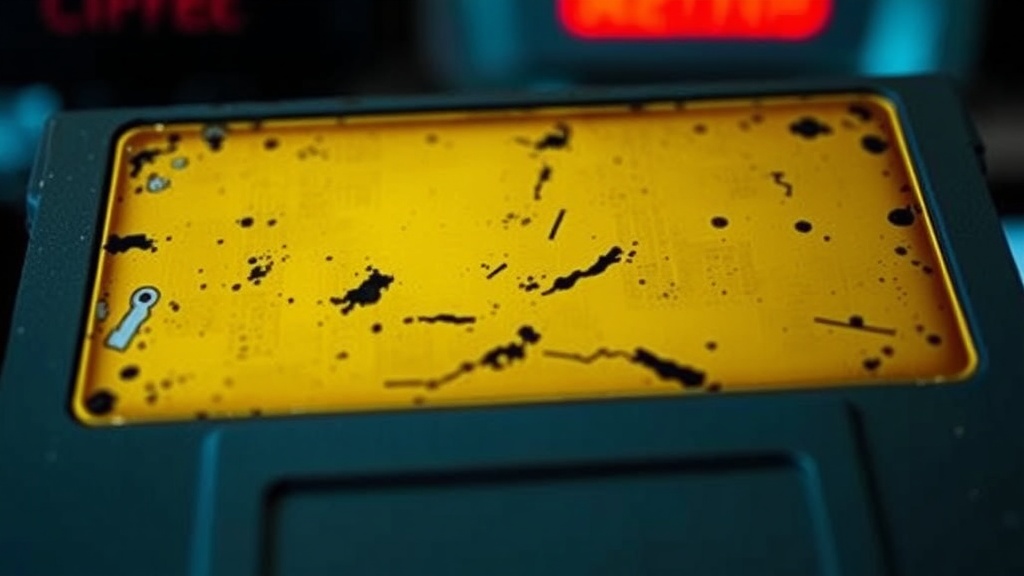
Why Your Retro Game Cartridges Are Corroding From the Inside

A collector in Chicago recently opened a pristine, sealed copy of EarthBound for a high-stakes auction, only to find the internal battery had leaked, leaving a caustic residue that compromised the integrity of the board. This isn't just a minor inconvenience; internal corrosion can permanently destroy the value of a high-tier collectible and render the software unplayable. This guide examines the chemical processes behind cartridge corrosion, the specific components at risk, and the technical steps required to prevent and mitigate damage to your investment-grade library.
The Chemistry of Internal Decay
Most retro cartridges, particularly those for the NES, SNES, and Game Boy Color, rely on a small lithium or alkaline battery to maintain volatile memory (SRAM). This battery powers the internal clock or saves game progress. Over decades, these batteries undergo a chemical breakdown. Whether it is the leakage of potassium hydroxide from an alkaline cell or the slow degradation of a lithium coin cell, the result is the same: a highly corrosive substance that attacks the surrounding hardware.
When a battery fails, it often undergoes "outgassing." This process creates internal pressure within the cartridge shell. If the shell is tightly sealed, the pressure can force electrolyte fluid onto the PCB (Printed Circuit Board). Once this fluid touches the copper traces or the gold-plated contact pins, a redox reaction occurs. This reaction eats away at the metal, creating a layer of oxidation or "crust" that breaks the electrical circuit. For a collector, this is the difference between a playable game and a piece of dead plastic.
Common Culprits: Alkaline vs. Lithium
It is vital to understand which hardware you are holding. Alkaline batteries are notorious for leaking a white, powdery substance known as potassium hydroxide. This substance is highly alkaline and can cause rapid, aggressive corrosion on the metal components of the cartridge. Lithium coin cells (like the CR2032 often found in later handheld-era cartridges) are generally more stable, but they are not immune to failure. If a lithium battery fails, it can sometimes leak more volatile chemicals that are even harder to neutralize than standard alkaline leaks.
Identifying the Symptoms of Corrosion
You cannot always see the damage from the outside. A cartridge might look perfect in its original box, but the internal components could be in a state of active decay. To protect your assets, you must perform regular "health checks" on your collection.
- The "No Boot" Symptom: If a game that previously worked suddenly fails to load a save file or fails to boot entirely, the first suspicion should be battery failure.
- Visual Inspection of Contacts: Remove the cartridge from the console and look at the gold-plated pins. If you see a greenish or white crusting near the edges of the PCB, you are looking at active corrosion.
- Weight and Sound: While subtle, a cartridge that feels unusually light or produces a slight "rattle" when shaken might have a compromised internal component or a leaking battery housing.
If you notice these signs, do not attempt to simply "blow" on the cartridge. Blowing introduces moisture from your breath, which can accelerate the oxidation process. Instead, you must move toward a controlled technical intervention.
The Mitigation Protocol: Step-by-Step
If you discover a cartridge with a leaking battery, time is your greatest enemy. You must act to neutralize the acid and clean the board before the traces are completely eaten away. This process requires precision and the right chemical tools.
Step 1: Safe Extraction
Use a precision screwdriver set (such as a Nintendo Gamebit driver for NES/SNES or a small Phillips head for Game Boy) to open the cartridge shell. Once open, use a pair of non-conductive tweezers to carefully remove the dead battery. Do not touch the battery or the leaked fluid with your bare hands; use nitrile gloves to prevent skin irritation and to ensure you don't introduce oils to the PCB.
Step 2: Neutralization
If the leak is an alkaline-based one, you need to neutralize the pH. A weak solution of white vinegar or isopropyl alcohol (91% or higher) is standard. Dip a high-quality cotton swab in the liquid and gently dab the affected areas. The goal is to dissolve the crust without spreading it further. Once the residue is dissolved, use a clean, dry swab to lift the liquid away.
Step 3: Cleaning the PCB
Once the heavy residue is gone, the PCB needs a deep clean. Use 99% Isopropyl Alcohol (IPA) and a specialized electronic cleaning brush. Avoid using water or household cleaners, as these leave behind minerals that cause further corrosion. The 99% concentration is critical because it evaporates almost instantly and contains minimal water, reducing the risk of short-circuiting or long-term moisture retention.
For those managing large collections, it is often helpful to integrate these maintenance steps into a broader storage strategy. For instance, ensuring your storage environment is controlled can prevent external issues like humidity from exacerbating internal hardware failures. You can learn more about managing environmental risks in our guide on how humidity affects hardware components.
Long-Term Prevention Strategies
The best way to handle corrosion is to ensure it never happens. For high-value cartridges, "preventative maintenance" is a mandatory part of collection management. If a game relies on a battery to save progress, that battery has a finite lifespan. Even if the game is not being played, the battery is slowly depleting.
- The Battery Replacement Schedule: For games like The Legend of Zelda: A Link to the Past or Pokémon Gold/Silver, treat the battery as a consumable. If the game is a high-value asset, replace the internal battery every 10–15 years, regardless of whether it is currently working. This prevents the "wait and see" approach that leads to catastrophic failure.
- Use High-Quality Replacements: When replacing a battery, do not use cheap, unbranded cells. Use reputable brands like Maxell or Panasonic. A low-quality battery is more prone to leaking and can ruin a $200 cartridge in a matter of months.
- Controlled Environment Storage: While internal battery leakage is a chemical process, external environmental factors can accelerate it. Keep your collection in a cool, dry place. Avoid storing game cartridges in uninsulated attics or damp basements.
When to Call It a Loss
As a collector, you must occasionally face the reality of "total loss." If the battery leakage has reached the main CPU or the ROM chip itself, the damage may be irreversible. If the copper traces on the PCB have been completely severed by oxidation, the cartridge is effectively a "dead" piece of media. In these cases, the item may still hold value as a "for parts" unit, but its status as a functional collectible is over.
Before you attempt a repair, evaluate the cost-to-benefit ratio. If you are working on a common Super Mario World cartridge, a meticulous cleaning is worth the time. If you are working on a rare, high-tier prototype or a limited edition piece, ensure you have the proper diagnostic tools—such as a multimeter—to verify that the electrical paths are still intact before proceeding with heavy-handed cleaning.
Maintaining a collection is a technical discipline. By understanding the chemical vulnerabilities of your cartridges, you move from being a passive owner to an active steward of gaming history. Treat your cartridges like the precision-engineered artifacts they are, and they will continue to function for decades to come.