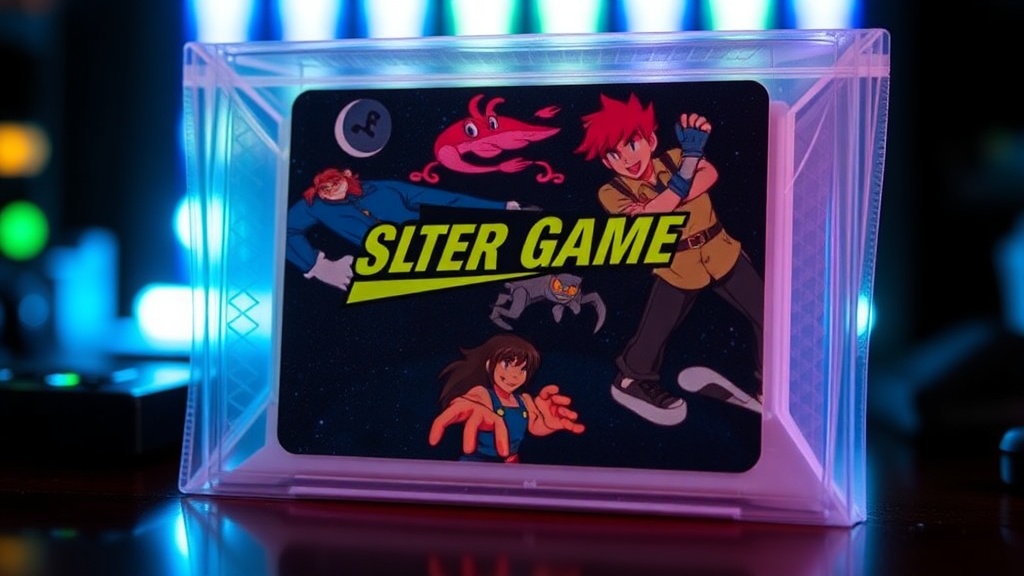
Protecting Your Retro Games with Acid-Free Sleeves

A collector opens a long-awaited shipment of high-grade Nintendo 64 cartridges only to find the labels are peeling or, worse, turning a sickly yellow. The plastic shells feel tacky to the touch. This isn't just bad luck; it's a chemical reaction. This guide examines why acid-free storage is the standard for high-value gaming assets and how to select the right materials to prevent long-term degradation.
Retro gaming isn't just a hobby anymore. It's an asset class. When you're holding a pristine copy of Earthbound or a sealed Chrono Trigger, you're holding a piece of history that is actively fighting against its environment. Most people think the enemy is dust or sunlight—and it is—but the real silent killer is the very plastic meant to protect them.
What is an Acid-Free Sleeve?
An acid-free sleeve is a protective cover made from chemically inert materials that do not contain lignin or acidic additives. These sleeves prevent "acid migration," a process where chemicals from low-quality plastics or paper leach into the game cartridge, causing discoloration or permanent damage to the label. If you're using standard sandwich bags or cheap, non-rated plastic, you're basically inviting a slow-motion disaster for your collection.
In the archival world, we look for materials that are "archival grade." This means the item won't react with the object it touches. For a collector, this usually means looking for Polypropylene (PP) or Polyethylene ( polyethylene). These are stable, non-reactive plastics that won't off-gas or degrade over time.
Think of it this way: a cheap plastic bag might look clear today, but in five years, it might become a sticky, yellowish mess that has effectively "glued" itself to your game's label. That's a nightmare for any serious investor. It's also why you'll see professional graders use much higher-grade materials than your average retail store.
I once saw a guy try to store a $500 Pokémon cartridge in a standard Ziploc bag. Two years later, the label was ruined because the oils from the plastic had migrated into the paper. It was a preventable tragedy.
Why Should I Use Acid-Free Sleeves for Retro Games?
Using acid-free sleeves prevents chemical leaching, label degradation, and environmental damage to your cartridges. Standard plastics often contain PVC (polyvinyl chloride), which is notorious in the collecting world for releasing gases that can damage sensitive surfaces. These gases can cause the labels on your cartridges to fade, peel, or even turn a brownish hue.
Here are the primary reasons to invest in proper sleeves:
- Label Preservation: High-end collectors care about the "pop" of a label. Acid-free materials ensure the ink and paper remain vibrant and intact.
- Moisture Barrier: While not a vacuum seal, a good sleeve provides a buffer against humidity spikes.
- Physical Protection: A sleeve acts as a first line of defense against scratches and fingerprints.
- Chemical Stability: It prevents "off-gassing," which is a major issue with cheaper, non-rated plastics.
If you're worried about the long-term value of your collection, you have to consider the chemistry. It's not just about keeping things clean; it's about keeping them stable. If you haven't already, you should also consider why you should avoid direct sunlight for your game collection, as UV rays and chemical degradation work hand-in-hand to destroy your assets.
It's a bit like car collecting. You wouldn't park a vintage Porsche in a humid garage with a cheap tarp over it. You'd use a breathable, high-quality cover. Your games deserve the same level of respect.
Comparing Storage Materials
Not all plastic is created equal. I've spent enough time around hardware to know that the molecular structure of a material determines its longevity. Below is a breakdown of what you'll likely encounter when shopping for protection.
| Material Type | Acid-Free? | Best Use Case | Risk Level |
|---|---|---|---|
| Polypropylene (PP) | Yes | High-end cartridge protection | Very Low |
| Polyethylene (PE) | Yes | Bulk storage/General protection | Low |
| PVC (Standard Plastic) | No | Avoid for long-term storage | High (Degrades over time) |
| Standard Ziploc/Bags | No | Temporary/Short-term use | Moderate |
How Do I Know if a Sleeve is Safe for My Collection?
Look for products specifically labeled as "Archival Safe," "Acid-Free," or "PVC-Free" on the packaging. Most reputable suppliers of collectible supplies will explicitly state if their products meet the standards of the National Archives or other professional conservation organizations. If a product doesn't list its chemical composition or lack thereof, don't buy it.
Here is a quick checklist to use when you're shopping:
- Check for "PVC-Free": This is the most important rule. PVC is the enemy of collectors.
- Look for "Lignin-Free": This is more common for paper, but in the context of paper-based labels, it's a great sign.
- Verify "Archival Grade": This implies the material has been tested for long-term stability.
- Smell Test: If a new sleeve has a strong "plastic" smell, it's likely off-gassing chemicals. Real archival-grade materials are usually odorless.
I've seen a lot of "budget" sleeves on auction sites that claim to be protective. The catch? They don't provide any technical specifications. If a seller can't tell you exactly what the plastic is made of, assume it's low-grade. It's better to spend an extra few dollars now than to lose the value of a rare game later.
When you're building a serious collection, you're also building a library. This is why organizing your retro game collection using modular storage systems is so effective when paired with high-quality sleeves. The sleeve protects the individual item, while the system protects the group.
One thing to keep in mind: even with the best sleeves, you still need to manage the environment. A sleeve is a barrier, not a miracle worker. If your room is 90% humidity, that sleeve is going to be working overtime. Always keep your collection in a climate-controlled area.
It's also worth noting that if you are dealing with extremely high-value items, you might want to look into specialized cases. For those who want to display their wins, choosing the right display case is the next logical step after securing your sleeves.
Don't let a cheap mistake ruin your investment. A $200 cartridge shouldn't be sitting in a $0.05 bag that's slowly eating its own label. Treat your collection like the museum pieces they are.