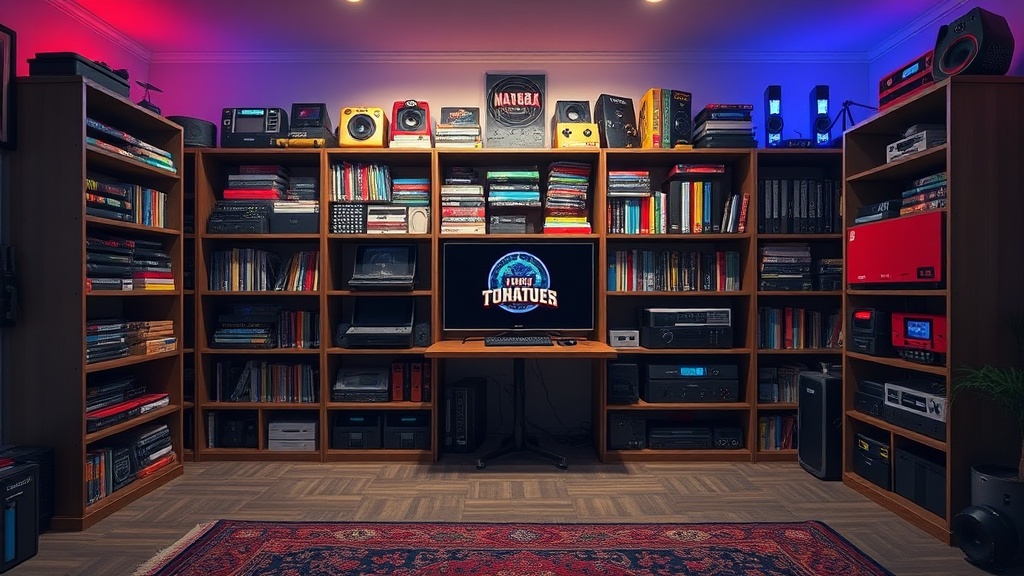
Organize Your Retro Game Collection Using Modular Storage Systems

Most collectors believe that a high-end bookshelf or a simple plastic bin is enough to protect their investment, but they're wrong. If you treat your collection like a pile of toys rather than a curated archive, you're inviting physical degradation and organizational chaos. This post covers how to implement modular storage systems to protect your physical assets, manage inventory, and ensure your most valuable cartridges remain in pristine, shelf-ready condition.
The goal isn't just to "put things away." It's about creating a system where every piece—from a common NES title to a high-value SNES RPG—has a specific, protected, and easily identifiable home. We'll look at the different tiers of storage, from basic protection to professional-grade modularity.
What Are the Best Ways to Store Retro Game Cartridges?
The best way to store retro game cartridges is through a layered approach that combines individual protective sleeves with organized, modular bins or specialized shelving. You shouldn't just toss a handful of loose cartridges into a cardboard box; that's a recipe for scratched labels and bent corners.
Think of it in three distinct layers. First, you have the micro-protection layer. This is where you use plastic protector cases for your loose cartridges. These individual shells prevent the friction that leads to label wear. Second, you have the grouping layer. This is where you use modular bins or specialized binders to group games by console or genre. Finally, there's the macro-environment layer. This is your actual furniture—the shelving units or cabinets that house the bins.
If you're serious about the long-term value of your collection, don't skip the first layer. A single scratch on a rare 1990s cartridge can drop its market value by a significant percentage. I've seen collectors lose hundreds of dollars because they thought a "tight fit" in a generic bin was enough. It isn't.
The Three-Tier Storage Hierarchy
- Level 1: Individual Protection. Use hard plastic cases or high-quality soft sleeves. This stops the "clinking" of cartridges against each other during movement.
- Level 2: Modular Bins. Use stackable, clear containers like those from Iris USA or Really Useful Boxes. These allow you to move entire "sets" of games (e.g., all your Sega Genesis titles) without unpacking every single one.
- Level 3: Environmental Control. This is your heavy-duty shelving. It needs to be sturdy enough to handle the weight of hundreds of games and positioned away from heat sources.
How Much Does Modular Storage Cost?
The cost of modular storage varies wildly depending on whether you are buying consumer-grade plastic bins or professional-grade archival systems. A basic setup for a small collection might cost under $50, while a professional-grade, climate-controlled archive for thousands of items can run into the thousands.
Here is a breakdown of what you can expect to spend based on the level of "seriousness" you're aiming for:
| Storage Tier | Typical Products | Estimated Cost | Best For |
|---|---|---|---|
| Entry Level | Generic plastic bins, standard binders | $20 - $75 | Casual collectors with < 50 games |
| Intermediate | Really Useful Boxes, custom acrylic stands | $100 - $400 | Dedicated hobbyists with 100-500 games |
| Professional/Archival | Custom cabinetry, museum-grade UV protection | $500+ | High-value investors and serious curators |
Don't feel pressured to jump straight to the professional tier. That's a mistake I see a lot of people make—buying expensive furniture before they even have a consistent way to protect the individual cartridges. Buy the protectors first. The bins come second. The fancy cabinet comes last.
It's worth noting that "cheap" storage often has a hidden cost. If a plastic bin is made of low-quality materials, it might off-gas chemicals over time. While it's rare for standard plastic to ruin a game, you want to stick to reputable brands to ensure the longevity of your assets. (I've spent way too much time looking at microscopic plastic degradation to not mention this.)
Why Should You Use Modular Bins Instead of Shelves?
Modular bins are superior to open shelving because they provide a secondary barrier against dust, moisture, and physical impact. While a shelf looks great for a display, it leaves your games vulnerable to the environment.
When you use a modular system, you're essentially creating "sub-environments" for your collection. If you decide to move houses, or even just move a collection to a different room, you aren't wrestling with hundreds of loose items. You're moving five or six standardized boxes. It's efficient. It's scalable. And it's much safer for the hardware.
If you're a collector who frequently buys and sells, modularity is your best friend. You can have a "Sale Bin" and a "Permanent Collection Bin." This keeps your high-value items separated from the stuff you're just flipping. It also makes inventory management a breeze. If you use a spreadsheet to track your collection, you can actually note which bin a specific game is in. That's the difference between a hobbyist and a professional.
One thing to watch out for: weight. A bin full of heavy NES cartridges or heavy 16-bit games is surprisingly heavy. If you stack too many of these modular bins on a flimsy shelf, you're going to have a bad time. I've seen people's shelving units buckle under the weight of a growing collection. Always check the weight capacity of your storage solutions.
Common Mistakes in Collection Organization
- The "Junk Drawer" Mentality: Throwing loose cartridges into a single large box. This causes label scratches and makes finding anything a nightmare.
- Ignoring the Environment: Placing your storage near a window or an AC vent. Even inside a bin, extreme temperature swings are bad. Direct sunlight is a killer for both the plastic and the labels.
- Overcrowding: Jamming too many games into a single protector or bin. This puts unnecessary pressure on the cartridge casing, which can lead to cracks or permanent warping.
- Neglecting Documentation: Storing games without a way to identify them. If you have 50 identical-looking black cartridges in a bin, you're going to spend a lot of time digging.
The catch? A truly organized collection takes time to build. You can't just buy a bunch of bins and expect your life to be organized by tomorrow morning. You have to actually go through your collection, clean the cartridges, put them in protectors, and then place them in the bins. It's a process of curation, not just storage.
If you're just starting out, start small. Buy a pack of high-quality protectors and a single stackable bin. See how it works for your specific collection size. As you grow, you'll learn exactly what dimensions you need. Maybe you realize you have way more Sega Genesis games than you thought, and you'll need a different sized bin for those. That's the beauty of a modular system—it grows with you.
I've spent years looking at how hardware ages. The most successful collectors aren't the ones who spend the most money on flashy displays; they're the ones who prioritize the physical integrity of the media. A game that is well-protected in a modular system will still be playable and valuable thirty years from now. A game that's been tossed in a pile of loose cartridges will likely be a degraded, low-value relic.
Treat your collection like the asset it is. Whether you're holding onto a few dozen gems or a thousand-piece archive, the way you store them today determines their value tomorrow.
Steps
- 1
Sort Your Collection by Console or Genre
- 2
Select Modular Bins or Acrylic Trays
- 3
Label Every Storage Unit Clearly
- 4
Implement a Vertical Display for Featured Titles