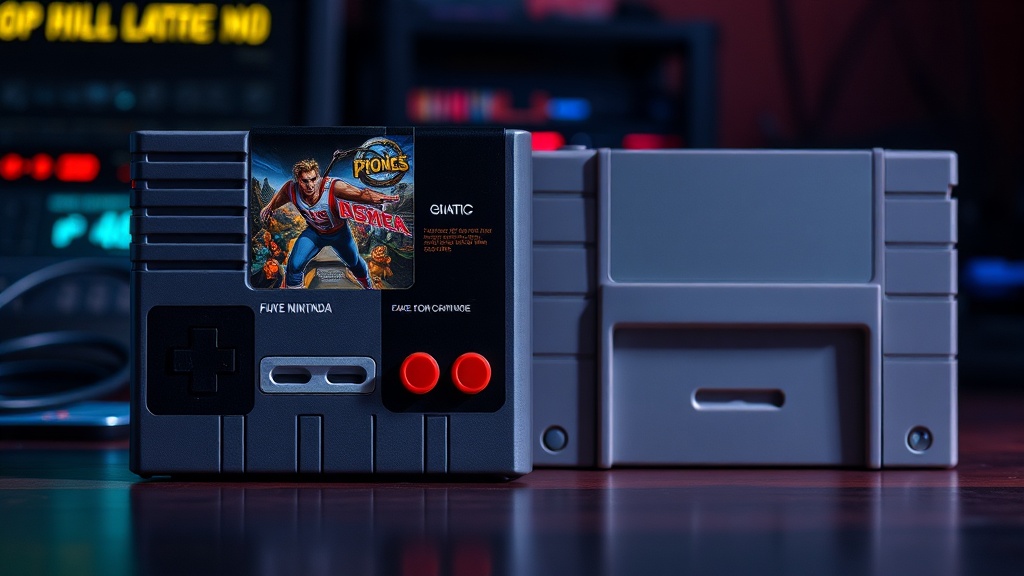
Why You Should Watch Out for Fake Retro Game Cartridges

Have you ever stared at a high-resolution photo of a legendary title like EarthBound or Chrono Trigger on an auction site and wondered if the item arriving at your door will actually work? The rise of high-quality counterfeit retro game cartridges is a significant threat to both the joy of playing and the long-term value of your collection. This post outlines the technical indicators of fake cartridges, the common manufacturing shortcuts used by counterfeiters, and the specific physical traits you must verify to ensure you are investing in an authentic piece of gaming history rather than a modern reproduction.
The Anatomy of a Counterfeit
To identify a fake, you must first understand the industrial standards of the original manufacturers, such as Nintendo, Sega, or Capcom. Authentic cartridges were produced using high-grade injection-molded plastics and specific PCB (Printed Circuit Board) layouts that modern "repro" manufacturers struggle to replicate perfectly. Counterfeits usually fall into two categories: low-quality "repros" intended for play, and high-end "fakes" designed to deceive collectors and investors.
Plastic Shell Integrity and Weight
The first thing to notice is the tactile feel of the cartridge. Authentic Nintendo Entertainment System (NES) or Super Nintendo (SNES) cartridges have a specific weight and a high-quality, rigid plastic shell. Counterfeiters often use cheaper, lighter plastics that feel "hollow" or brittle. If you hold an authentic The Legend of Zelda cartridge in one hand and a suspicious one in the other, the weight discrepancy is often immediate.
Pay close attention to the seams of the plastic. Authentic shells have clean, uniform seams where the two halves of the cartridge meet. Fakes often exhibit "flash"—excess plastic that has bled out of the mold—or irregular, jagged seams. Furthermore, check the screw holes. Authentic Nintendo cartridges typically use specific Phillips head screws, and the recessed areas around these screws should be perfectly centered and smooth. If the screw holes look uneven or the metal of the screw looks suspiciously bright or cheap, proceed with extreme caution.
Label Quality and Typography
The label is often the first place a counterfeit fails. High-end collectors should always check game cartridge labels for fading or inconsistencies, but with fakes, the issue isn't just age—it's production quality. Authentic labels use high-resolution offset printing with specific color profiles. Counterfeits often look slightly "fuzzy" or exhibit a "pixelated" appearance when viewed under a magnifying glass.
- Color Accuracy: If the gold in a Kirby's Dream Land label looks more like a mustard yellow, or the deep blues of a Sonic the Hedgehog label look washed out, it is likely a fake.
- Typography: Look closely at the font. Counterfeiters often use slightly different kerning (the space between letters) or slightly different font weights. If the "O" in a title looks too round or the "E" is too sharp compared to known authentic examples, the label is a red flag.
- Gloss and Texture: Authentic labels have a specific sheen. Many fakes use a generic sticker paper that lacks the professional finish of an original 1990s production run.
The Technical Deep Dive: PCB and Internal Components
If the exterior looks convincing, the true test lies within the cartridge. This is where the technical distinction between a "repro" and an original becomes undeniable. If you are purchasing a high-value item, you must be prepared to open the shell to inspect the internal hardware.
The Printed Circuit Board (PCB) Layout
An authentic PCB is a work of precision engineering. The traces (the copper lines that carry electrical signals) are clean, sharp, and follow a highly organized path. In contrast, counterfeit PCBs are often manufactured with much lower tolerances. You might see thinner, more erratic traces, or a different color of green or blue solder mask. If the board looks "messable" or the components are placed haphazardly, it is a reproduction.
The most significant giveaway is the chip architecture. Authentic cartridges use specific, proprietary chips (like the Ricoh 2A03 in the NES). Many modern fakes use generic, low-cost microcontrollers or even SD card-based emulators hidden inside a plastic shell. If you see a modern-looking chip or a circuit layout that looks nothing like the established documentation for that specific game, you are looking at a fake.
Solder Quality and Component Branding
Inspect the solder joints on the board. Authentic vintage manufacturing utilized specific soldering techniques that result in smooth, consistent, and shiny joints. Counterfeit boards often feature dull, "crusty," or uneven solder. Additionally, look for branding on the chips themselves. Genuine chips often have etched markings or specific manufacturer codes. If the chips are blank or have generic markings that don't match the era of the game, the cartridge is a fraud.
Common Red Flags in Online Marketplaces
While physical inspection is the gold standard, much of your vetting must happen before you even click "Buy." Certain patterns in online listings are almost certain indicators of counterfeit stock.
- The "Too Good to Be True" Price: If a Pokémon Yellow cartridge is listed for $30 when the market average is $100, do not assume you found a "deal." You have found a counterfeit. High-value games have established market floors; ignoring them is a recipe for a loss.
- Generic Photography: Be wary of sellers using stock photos or heavily filtered images. An authentic collector or a legitimate seller will often provide clear, high-resolution photos of the actual item, including the back of the cartridge and the screw locations. If the photos are blurry or look like they were taken in a dark room with a low-end smartphone, demand more detail.
- The "Bulk" Listing: If a seller is offering "Lots of 10 Rare Nintendo Games" at a suspiciously low price, these are almost certainly high-volume reproductions. Authentic rare games are rarely sold in bulk by the same individual unless they are a professional liquidator.
Protecting Your Investment
Once you have verified an authentic cartridge, your job shifts from detection to preservation. A genuine vintage game is a delicate piece of hardware that requires specific care to maintain its value and functionality.
To prevent physical damage to the shell and labels, you should use plastic protector cases for your loose cartridges. These cases protect the edges from chipping and prevent the labels from being scratched or worn down by handling. Additionally, be mindful of the internal components. If you are dealing with games that utilize internal batteries for save functions, check your battery backups regularly to ensure you don't lose precious save data due to a dead cell.
Finally, remember that the environment is your enemy. Moisture and temperature fluctuations can degrade both the plastic and the internal circuitry. Always store your verified collection in a climate-controlled environment, away from direct sunlight and high humidity, to ensure your investment remains a viable asset for years to come.