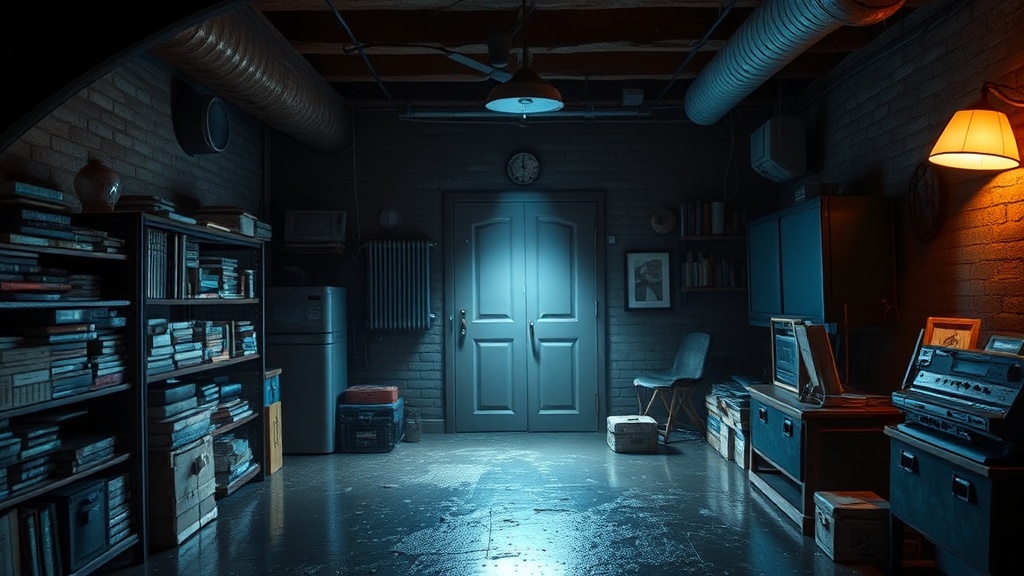
Why You Should Avoid Storing Games in Damp Basements

A heavy cardboard box sits in the corner of a concrete basement, surrounded by the smell of wet earth and old laundry. Inside that box, a pristine copy of Chrono Trigger for the Super Nintendo is slowly succumbing to a microscopic war. Moisture in the air is currently reacting with the copper traces on the PCB and the thin layer of gold plating on the contact pins. This post explains why basement storage is a death sentence for high-value gaming collectibles and provides technical strategies to protect your investment from humidity-driven degradation.
The Science of Humidity and Hardware Decay
The primary enemy of a game cartridge is not time, but the presence of water vapor. When you store games in a basement, you are placing them in an environment characterized by high relative humidity (RH). In a controlled museum setting, RH is kept strictly between 35% and 50%. In a standard residential basement, that number can frequently spike above 60% or even 70% during seasonal shifts.
High humidity triggers several distinct chemical and physical processes that can permanently devalue a collection:
- Oxidation of Contact Pins: While high-quality gold plating on Nintendo 64 or Sega Genesis cartridges provides significant protection, the base metal underneath or the solder points themselves are susceptible to oxidation. Once oxidation occurs, the electrical resistance increases, leading to the "black screen" or "glitchy" behavior many collectors dread.
- PCB Delamination: The Printed Circuit Board (PCB) is composed of layers of fiberglass and resin. Constant fluctuations in moisture levels cause these layers to expand and contract. Over time, this can lead to delamination or even micro-cracks in the traces, rendering the cartridge unplayable.
- Label Degradation: Paper labels are highly hygroscopic, meaning they absorb moisture from the air. High humidity causes the paper fibers to swell, leading to bubbling, peeling, or the growth of mold and mildew. Once a label is compromised by mold, the "CIB" (Complete In Box) status of your game is effectively destroyed.
The Danger of Thermal Cycling
Basements are notorious for thermal cycling—the process where temperatures fluctuate significantly between day and night or between summer and winter. This isn't just a comfort issue; it is a mechanical one. As the temperature drops, the air holds less moisture, and as it rises, it holds more. This constant cycle of wetting and drying is far more damaging than a constant, slightly damp environment.
When a cartridge undergoes constant thermal cycling, the various materials—the plastic shell, the PCB, and the metal pins—expand and contract at different rates. This stress can cause the plastic casing to warp or even cause the internal components to loosen. If you are storing a collection of heavy, high-value items like EarthBound or Castlevania: Symphony of the Night, these microscopic shifts can lead to structural instability in the packaging and the board itself.
The Mold Factor
Mold is not just an aesthetic issue; it is a biological one. If you store games in cardboard boxes in a basement, you are providing a perfect breeding ground for fungal spores. Mold feeds on organic materials, and in the world of retro gaming, that means your paper manuals, box art, and even the adhesives used on the labels. Once mold spores settle into the crevices of a cartridge or the fibers of a manual, they are incredibly difficult to eradicate without specialized equipment and chemicals.
Optimal Storage Solutions for Collectors
To treat your collection as a legitimate asset, you must move beyond the "box in the basement" mentality. Professional collectors utilize environmental controls to ensure longevity. If you lack a dedicated, climate-controlled room, you must implement secondary layers of protection.
1. Invest in a Dehumidifier
If you absolutely must use a basement or a garage for storage, a high-capacity dehumidifier is non-mandatory—it is essential. You should aim to keep the relative humidity at a constant 40%. A dehumidifier with a built-in pump and a continuous drain hose is preferable to one that requires manual emptying, as a failure to empty the tank can lead to the device shutting off, leaving your collection vulnerable.
2. Utilize Airtight Plastic Bins
Instead of cardboard boxes, which are porous and actively absorb moisture, use heavy-duty, airtight plastic bins (such as those made by Sterilite or Rubbermaid). These bins act as a secondary barrier against humidity. However, be warned: placing a damp item in an airtight bin will create a micro-greenhouse effect. Always ensure the items are completely dry before sealing them.
3. Use Silica Gel Desiccants
Inside your airtight plastic bins, include several large packs of silica gel. These desiccants will absorb any residual moisture trapped inside the container. For high-value collections, look for "indicating" silica gel, which changes color when it is saturated, letting you know when it is time to "recharge" the beads in an oven or replace them.
4. Elevate Your Inventory
Never store game boxes or consoles directly on a concrete floor. Concrete is a thermal mass that stays cold and can "sweat" moisture through capillary action. Even if your floor looks dry, there is often a thin film of moisture present. Use metal shelving units to keep your collection at least 6 to 12 inches off the ground. This allows for better airflow and prevents direct contact with potential flood or seepage issues.
Maintenance and Inspection Protocols
Protection is a proactive process, not a "set it and forget it" task. Even with the best storage setup, you must perform regular audits of your collection to catch issues before they become irreversible.
The Quarterly Audit: Every three months, pull a sample of your collection out of storage. Inspect the labels for any sign of swelling or discoloration. Check the cartridge pins for any signs of dullness or green/white oxidation. If you notice any changes, it is a sign that your environmental controls are failing.
Cleaning vs. Damage: If you find oxidation on a cartridge, do not reach for harsh chemicals. While many enthusiasts suggest using isopropyl alcohol, you must be careful not to over-clean or use low-grade solutions. If you are dealing with heavy oxidation, you may need to avoid using improper tools like toothpicks and instead use high-percentage (91% or higher) isopropyl alcohol and a lint-free swab to gently lift the residue.
Battery Awareness: High humidity can also accelerate the degradation of internal components, including the small lithium batteries used for save functions. As part of your maintenance, you should check your battery backups regularly, as moisture can exacerbate the chemical breakdown of aging batteries, potentially leading to leakage that can destroy the PCB entirely.
Summary of Best Practices
Treating your gaming collection like a museum-grade asset requires discipline. If you treat these items as disposable, they will be treated by the environment as such. To ensure your collection retains its market value and functional integrity, follow these rules:
- Avoid Basements and Attics: These are the two most volatile environments in a standard home.
- Control the Air: Use a dehumidifier to maintain 40% RH.
- Seal the Goods: Use airtight plastic bins instead of cardboard.
- Elevate: Keep everything off the concrete floor.
- Inspect: Perform quarterly checks for mold, oxidation, and label damage.
The difference between a $500 cartridge and a $50 cartridge is often nothing more than a few years of improper storage. Protect your assets.