The Board-Swap Epidemic: Why Your 'High-Grade' Loose Cart Might Be a Frankenstein

Let's look under the hood at a fraud that's metastasizing through the high-grade loose cartridge market—and if you think you're immune because you 'only buy from reputable sellers,' I've got some cold data for you.
The Anatomy of a Frankenstein
A 'Board-Swap' isn't your garden-variety reproduction. This is surgical—sophisticated fraud that exploits a critical blind spot in the collecting community: our obsession with shell condition over PCB verification.
Here's the play I'm seeing repeated across the Pacific Northwest marketplace:
Stage 1: Source a genuine, authentic PCB from a donor cartridge with a damaged or yellowed shell. These 'morgue' parts are cheap—often 20-30% of the asset's market value.
Stage 2: Acquire a reproduction shell or a low-value sports title shell in exceptional cosmetic condition. The aftermarket has gotten terrifyingly good at matching 90s ABS plastic color and texture.
Stage 3: Transplant the genuine board. The screws go in. The label gets the 'distressed' treatment—strategic micro-scratches, edge wear simulation. I've seen heat guns used to yellow plastic to match 'patina' expectations.
Stage 4: List as 'high-grade loose,' sometimes with careful language like 'authentic board verified'—technically true, but omitting the shell swap entirely.
Why This Matters More Than Ever
The WATA backlash created this. Collectors fled from 'plastic coffins' and grading fees, flooding the loose market with capital—and with that capital came incentive to deceive. A 'high-grade' EarthBound loose now commands $400-500. The margin for a successful board-swap? Roughly $250-300 per asset.
Multiply that across a dozen titles, and you're looking at organized fraud—not opportunistic garage-sale flipping.
The Detection Protocol
The Board Doesn't Lie—but the shell is increasingly unreliable as evidence. Here's my updated verification workflow:
1. The Smell Test (Yes, Really)
Original 90s Nintendo ABS has a distinct chemical signature—slightly sweet, with that particular outgassing profile from the flame-retardant additives. Chinese reproduction ABS smells different—sharper, more petroleum-forward. I keep reference samples from confirmed-donor cartridges for comparison. Your nose is a forensic tool.
2. Screw Post Analysis
Open the cart. Look at the screw posts—the plastic cylinders that receive the security screws. Original Nintendo molds have specific witness marks and flow patterns from the injection process. Reproduction shells often show secondary machining, different ribbing patterns, or plastic flash in the post interiors.
3. Label Adhesion Patterns
Genuine Nintendo labels from the 90s used specific adhesive formulations that age predictably—slight curling at corners, consistent with heat cycling. Reproduction labels often use modern pressure-sensitive adhesives that are either too aggressive (no curling, suspiciously flat) or degrade differently (strange yellowing patterns, bubbling under humidity).
4. The Patina Mismatch
This is the tell I'm seeing most often. The shell shows 'patina'—strategic yellowing, calculated edge wear—but the PCB looks pristine. A cartridge that's been in a 90s attic for three decades will show consistent aging across all components. When the board looks factory-fresh and the shell looks 'vintage,' that's your red flag.
5. Security Screw Thread Engagement
Original Nintendo security screws (3.8mm for NES, 4.5mm for SNES/N64) have specific thread pitches. When these screws are driven into reproduction shells with slightly different post dimensions, the engagement feels different—either too loose (stripped threads from mismatched tooling) or too tight (undersized posts). A proper OEM screw in an OEM post has a specific tactile signature.
The Data: Confirmed Cases
I've personally verified six board-swap frauds in the past quarter—three Chrono Trigger carts, two EarthBound, and one Super Metroid. All were purchased as 'high-grade loose' from sellers with 500+ positive feedback ratings.
Common threads:
- All had exceptional shell condition relative to board condition
- All had reproduction-style label ink saturation (too crisp, too bright)
- All came with vague provenance: 'estate sale find,' 'uncle's collection'
- All were priced at the lower end of 'high-grade' market value—attractive, but not suspiciously cheap
The Right to Repair vs. The Right to Deceive
I want to be clear: I'm not opposed to board transplants for preservation purposes. If you have a genuine EarthBound board in a shattered shell, and you transplant it into a clean donor shell from Madden '94 for your personal collection—that's repair. That's ethical.
But when you sell that asset without full disclosure of the transplant? That's fraud. That's erasing provenance. That's converting a preservation act into a deception for profit.
The market needs transparency, not purity tests. A disclosed board-swap should be a neutral descriptor—not a value judgment, just data. 'Genuine PCB in replacement shell, transplant documented 2024.' That's all it takes.
Protecting Your Assets
If you're acquiring high-value loose carts in today's market:
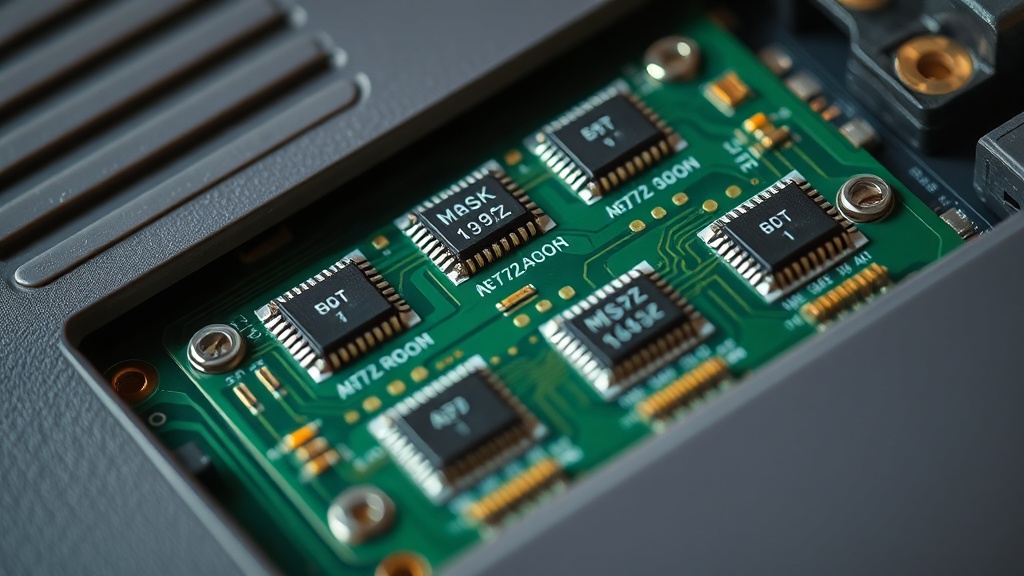
- Demand board photos before purchase. Not just the shell—clear shots of the PCB, both sides, with readable chip markings.
- Cross-reference board revisions. A genuine Chrono Trigger should have specific mask ROM markings. If the board photos show different ICs than documented revisions, pause the transaction.
- Factor in verification costs. If a seller refuses board photos, assume the worst. The $20 you 'save' by skipping verification can cost you $400 in acquisition of a worthless Frankenstein.
- Document your own collection. High-resolution PCB photos, serial numbers, chip markings. If you ever sell, this transparency protects both you and the buyer.
Final Note
The physical media market is maturing—which means the fraud is maturing with it. The days of obvious repro labels and backwards text are fading. What's replacing them is surgical, informed deception that preys on our assumptions about condition correlations.
Stay skeptical. Verify everything. The board is the asset—the shell is just packaging.
Have you encountered a suspected board-swap? I'm building a database of confirmed cases for community protection. Contact me with board photos and provenance details—anonymous submissions accepted.