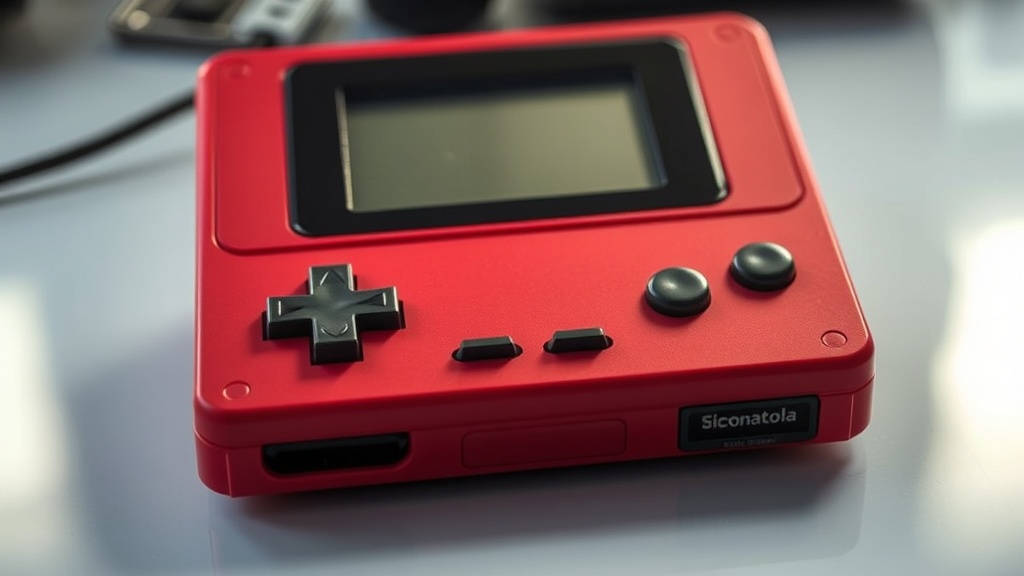
Preventing Battery Leakage in Retro Handhelds

Quick Tip
Always remove batteries from handheld devices if they will not be used for more than two weeks.
The Silent Killer of Handheld Consoles
A single, microscopic bead of alkaline fluid can melt a circuit board. Inside a Game Boy Color or an original PlayStation Portable, a neglected battery doesn't just die—it actively attacks the hardware. This post covers how to prevent battery leakage and chemical corrosion from destroying your handheld investment.
Leaving alkaline batteries in a device for months is a recipe for disaster. When the voltage drops, the chemistry inside the cell becomes unstable. The result? A caustic, white crust that eats through copper traces and solder points. It's a mess that even the best technical skills can't always undo.
How Do I Prevent Battery Leakage?
The most effective way to prevent leakage is to remove all batteries from your handheld devices whenever they aren't in active use. If you're storing a device for a long period, don't trust a "dead" battery to stay safe. Use rechargeable lithium-ion batteries or high-quality NiMH cells instead of standard alkaline batteries.
Alkaline batteries are notoriously volatile. Even "low drain" brands can fail. If you must leave a battery inside, ensure it's a high-quality brand like Duracell or Energizer, though removal is still the gold standard. For serious collectors, I suggest a strict "no battery" policy for any device sitting on a shelf.
- Empty the compartment: If you aren't playing it this week, take the battery out.
- Use rechargeable cells: NiMH batteries (like Panasonic Eneloop) are much safer for long-term storage.
- Check for corrosion: Once a month, peek inside the battery door to look for white powder or green residue.
What Are the Best Batteries for Retro Handhelds?
Rechargeable NiMH batteries are generally the safest and most consistent option for vintage electronics. While alkaline batteries are cheap, they lack the stability required for long-term storage in a collection. Most collectors prefer the reliability of specialized rechargeable cells to avoid the "acid bath" scenario.
| Battery Type | Leakage Risk | Best Use Case |
|---|---|---|
| Alkaline | High | Short-term, immediate play |
| NiMH (Rechargeable) | Low | Daily gaming and long-term storage |
| Lithium (Non-rechargeable) | Very Low | Long-term storage (emergency only) |
If you've already found a bit of corrosion, don't panic—but act fast. You might need specialized cleaning tools for retro console maintenance to neutralize the acid. A bit of white powder on a contact point is a warning sign, not a death sentence—yet.
How Often Should I Check My Collection?
A quarterly inspection of your handheld devices is enough to catch a developing leak before it ruins the motherboard. Check the battery terminals for any sign of discoloration or "crust." If you see even a speck of white, it's time to clean it immediately.
Keep your collection in a controlled environment. While humidity affects the casing and the metal contacts, battery chemistry is mostly driven by time and voltage depletion. A dry, temperature-stable room is your best friend here. It's much easier to prevent a leak than it is to repair a melted circuit board.