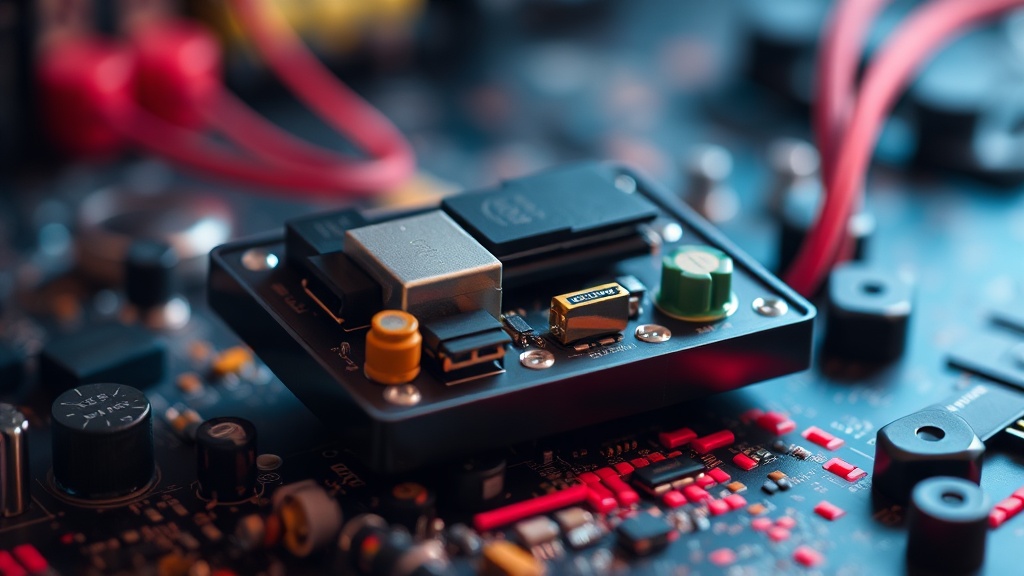
Identifying Genuine Internal Components in High-Value Retro Cartridges

You're holding a pristine, high-value SNES cartridge. The shell looks perfect, the label is crisp, and the way it sits in the console suggests a premium piece of history. But then you pull the screw, peek inside, and see a PCB that looks slightly off—perhaps the traces are too thick, or the soldering looks suspiciously modern. This is the moment where a collector's dream turns into a nightmare. A fake shell is one thing, but a fake internal board—a bootleg or a modern reproduction—is a direct hit to your investment's value. Understanding what a legitimate internal layout looks like isn't just about hobbyist curiosity; it's about protecting your capital.
When we treat these items as assets, we can't afford to be casual. A fake board doesn't just mean you bought a counterfeit; it means you've likely spent hundreds of dollars on a piece of junk that will never hold its value in a high-end auction. We're looking at the guts of the machine here, and the details matter.
What Should an Authentic Game Cartridge PCB Look Like?
The printed circuit board (PCB) is the heart of the cartridge. When you're looking at a vintage Nintendo or Sega board, you're looking for a specific level of manufacturing consistency. Genuine boards from the 80s and 90s have a certain "character" that modern, cheap counterfeits struggle to replicate. Look for the copper traces—the lines that carry the electrical signals. On an authentic board, these are often precise, consistent, and sometimes even slightly irregular in a way that screams vintage-era manufacturing.
One of the biggest tells is the color of the substrate. While green is the standard, different manufacturers used different shades. If you're looking at a board that's a neon, unnaturally bright green, your internal alarm bells should be ringing. Furthermore, examine the silkscreen—the white text printed on the board that labels the components. On authentic boards, this text is sharp and integrated into the manufacturing process. On many fakes, the text looks slightly blurry, or the font is a cheap, modern approximation of the original design.
Check the component density. An original board was designed with specific tolerances and space-saving techniques of its era. If the board looks incredibly cluttered or, conversely, has massive gaps that shouldn't be there, you might be looking at a modern attempt to shrink a modern chip onto an old board. You can often verify the specific board revision by checking databases like the Sprites Encyclopedia or other technical archives that catalog hardware revisions.
How Can You Spot Fake Chips and Modern Replacements?
The chips themselves—the EPROMs or Mask ROMs—are the most common targets for replacement. A common tactic in the high-end market is taking a real, vintage shell and swapping the expensive, original chips for cheap, modern flash memory chips. This is a deceptive practice that ruins the collectible status of the item.
Inspect the chip markings. Authentic chips often have specific manufacturer codes that match the era. If you see a chip that looks too new, or a chip with a modern branding that wasn't around in 1992, you've found a problem. Use a jeweler's loupe (a magnifying glass) to look at the surface of the chips. You're looking for:
- The texture of the packaging: Vintage chips often have a specific matte or slightly textured finish.
- The leg-to-board connection: Is the solder smooth and consistent, or does it look like a messy, modern job?
- The presence of "ghost" markings: Sometimes, counterfeiters try to laser-etch old-style markings onto new chips, but the depth and clarity of the etching will look wrong under magnification.
If you're looking at an EPROM, look for the window. Some older chips have a small quartz window used for erasing. If that window is present but the chip looks suspiciously clean or the glass is a modern, clear type rather than the aged, slightly yellowish quartz seen in older-spec parts, proceed with extreme caution. I've seen countless "mint" cartridges that were actually just shells filled with modern, cheap hardware that had been polished to look old.
Why Does Board Revision Matter for Value?
Collectors often obsess over the shell, but the board revision is what actually dictates the technical lineage of the item. A "Version 1" board of a legendary game is often worth significantly more than a "Version 2" or a later revision, even if the shell is identical. This is because the early boards represent the true, original hardware architecture of the era.
When you're buying or selling, you're not just selling a piece of plastic; you're selling a specific piece of engineering history. A later revision might use a different chip architecture, or a different manufacturing process, which changes the "DNA" of the cartridge. This is why a professional-grade inspection always goes deeper than the surface. If you're tracking the market value of a rare title, you need to know which board version you're actually holding. A common mistake is assuming a high-quality label and a perfect box means the internal hardware is untouched. It rarely does.
To get a deeper understanding of how these hardware iterations change over time, I often refer to technical documentation sites like Wikipedia's hardware sections to cross-reference manufacturer-specific board layouts. It's the only way to be sure you aren't being fooled by a clever-looking shell. If the board doesn't match the known history of that specific game's development, the value of your "investment" just plummeted.
Don't trust your eyes alone. Trust the technical specifications. When you open a cartridge, you aren't just looking at a board; you're looking at a timestamp of technology. If that timestamp feels wrong, it probably is.