Can You Trust a Cartridge With Rental Stickers? Authenticating Former Rental Inventory

Most collectors treat rental stickers like scarlet letters—immediate signals to scroll past the listing or demand steep discounts. That reflex is costing you money. Former rental cartridges often survive in superior condition to their retail counterparts, and those "ugly" adhesive labels frequently protect the underlying artwork from the real enemies: sunlight, oxidation, and children with peanut butter fingers. The misconception isn't just wrong—it's backwards. Rental inventory represents a specific preservation category with distinct authentication markers, wear patterns that indicate legitimate provenance, and—ironically—better average condition than cartridges that never saw the inside of a Blockbuster. Understanding how to evaluate these specimens separates sophisticated collectors from tourists browsing eBay.
Why Do Rental Cartridges Often Survive in Better Condition?
Rental chains weren't running charity operations—they were managing depreciating assets on strict replacement schedules. Blockbuster, Hollywood Video, and their regional competitors enforced handling protocols that would make museum conservators nod in approval. Cartridges lived in hard plastic cases (not the flimsy retail boxes), handled by employees trained to inspect contacts before each rental cycle. Compare that to the average 1990s bedroom, where a Super Nintendo cart might've served as a frisbee, doorstop, or coaster during multiplayer sessions gone wrong.
The wear patterns tell the story in forensic detail. Home-used cartridges show random scratches from being tossed in toy boxes, label damage from soda spills, and contact corrosion from humidity in basement storage. Rental inventory exhibits systematic wear—uniform scratches on the cartridge back from insertion and removal in rental cases, predictable edge wear from standardized shelf storage systems, and remarkably pristine labels because they spent their operational lives behind protective stickers or locked inside translucent security cases. When I authenticate a "former rental," I'm often looking at a cartridge with substantially less random damage than a typical eBay find from someone's "childhood collection."
The cleaning protocols make a measurable difference. Major rental chains employed commercial-grade contact cleaners on weekly cycles—sometimes too aggressively, which creates its own authentication markers (slightly rounded contact edges from over-cleaning). Home cartridges rarely saw maintenance until they stopped working, by which point corrosion had set in. A rental cartridge with bright gold contacts isn't suspicious—it's evidence of professional asset management. That maintenance history translates directly to longevity, especially for battery-backed saves where corrosion resistance matters.
What Should You Look for When Buying Former Rental Games?
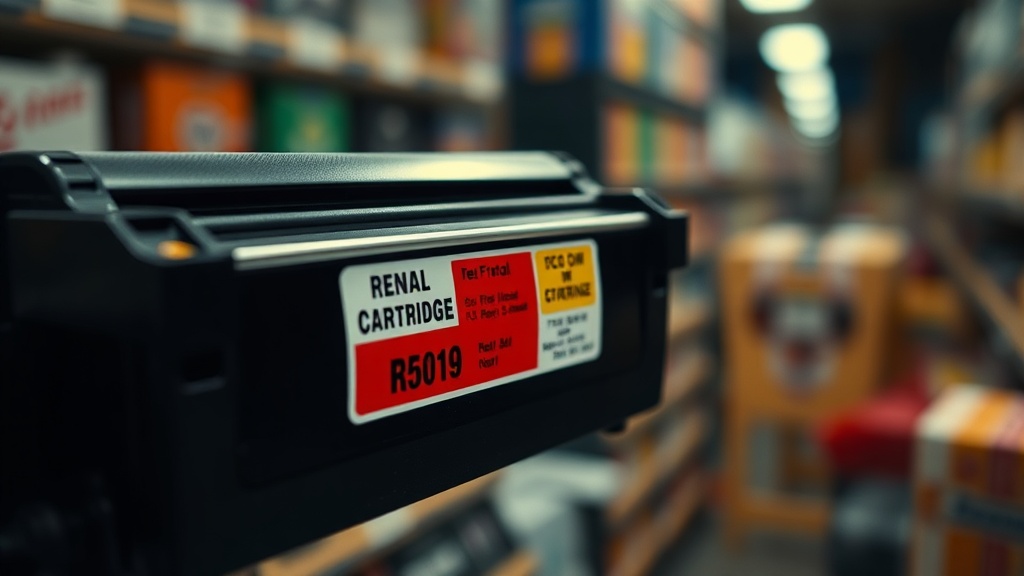
Authentication starts with sticker archaeology. Blockbuster used specific yellow security stickers with serial numbers and barcodes positioned according to strict corporate guidelines—usually upper-right on the cartridge front, parallel to the top edge, never overlapping the Nintendo Seal of Quality unless specifically covering it as an anti-theft measure. Hollywood Video preferred holographic seals with distinctive adhesive patterns that leave specific residue signatures when removed. Family Video used simpler paper labels that absorbed oils differently, creating dark "shadows" that persist even after removal. These aren't random decorations; they're forensic evidence of provenance that forgers rarely replicate correctly.
Check the sticker placement with a machinist's eye for precision. Authentic rental stickers were applied by employees following illustrated training manuals—parallel to edges within two millimeters, specific distances from corners measured by jigs, never crooked or bubbled significantly. The application process was industrial: peel, align to guide marks, press with standardized rollers. Fake rental stickers applied by modern scammers trying to "explain" suspiciously perfect labels underneath? They're crooked, bubbled, or positioned with the precision of a blindfolded toddler. When you see a "Blockbuster" sticker applied at 15 degrees off-axis, you're looking at deception, not history.
Examine the shell for "case rub"—a distinct hazing pattern on the cartridge back where rental security cases gripped the plastic. These cases were universal-fit, slightly oversized to accommodate multiple cartridge types, and left characteristic abrasion marks near the top edge where the locking mechanism engaged. The pattern looks like faint stretching or stress marks in the plastic, not scratches. No case rub combined with a rental sticker raises immediate red flags. Also inspect the contacts: rental chains routinely cleaned pins with isopropyl alcohol (often too aggressively), leaving them mirror-bright compared to typical home-used carts. Current market data from PriceCharting shows that rental copies with verified provenance are beginning to trade at smaller discounts as collectors recognize these quality indicators.
Don't ignore the circuit board if you're comfortable opening the cartridge (and for high-value rentals, you should be). Rental inventory often shows distinctive repair patterns—professional reflow work on solder joints, replacement capacitors with specific date codes matching rental chain maintenance windows, or even replacement shells swapped during refurbishment programs. These modifications were documented internally but appear as "evidence of tampering" to uninformed collectors. In reality, a rental cartridge with factory-authorized repairs is often more reliable than a "virgin" cart with aging solder joints.
How Can You Remove Rental Stickers Without Damaging the Label?
Here's where my hardware tech background collides with conservation ethics. The short answer: sometimes you shouldn't remove anything. A clean rental sticker on a cartridge back is documenting provenance—removing it destroys historical context and can actually reduce value as the rental-stigma fades and documentation becomes more prized. Organizations such as the Video Game History Foundation recognize that these stickers are part of the object's social history. But when the sticker covers critical label art, is actively degrading (browning adhesive, cracking paper), or contains acids that threaten the plastic underneath, intervention becomes necessary for long-term preservation.
Start with low heat—never direct flame or high-temperature heat guns that can warp ABS plastic or bubble labels. A standard hair dryer on medium setting, kept moving in constant motion to prevent localized overheating, softens the adhesive without shocking the label underneath. Work from corners, peeling slowly at 180 degrees (parallel to the surface, not pulling upward). If you see the label lifting with the sticker, or if the adhesive is separating in strands rather than releasing cleanly, stop immediately. Better a documented rental sticker than missing art—patience preserves value, impatience destroys it.
For residue removal, skip the Goo Gone on Nintendo-era labels—it's formulated for modern adhesives and can dissolve the UV-protective varnish layer that gives labels their slight gloss. 99% isopropyl alcohol applied with a microfiber cloth (never cotton, which snags on label texture) lifts most rental adhesives without chemical damage to underlying artwork. For stubborn cases where alcohol won't cut through thirty-year-old adhesive oxidation, lighter fluid (naphtha) evaporates completely without staining and won't harm plastics, but requires strict ventilation and zero ignition sources nearby. Test any solvent on the cartridge back label first—different manufacturers used different varnish formulations, and some react poorly to specific chemicals.
The "sticker shadow" is a controversial topic in authentication circles. Even perfect removal leaves trace evidence—slight color differential where the label was protected from UV light, microscopic adhesive residue detectable under blacklight, or texture differences visible at oblique angles. Some collectors prize these shadows as authentication markers; others view them as damage. My professional opinion? They're provenance documentation. A cartridge with a faint Blockbuster-shaped shadow on the back is more authentic than one claiming to be "unmarked" with suspiciously fresh-looking plastic.
Are Former Rental Games Worth Less Than Standard Retail Copies?
The market hasn't quite figured out how to price former rentals accurately. Currently, they trade at 15-30% discounts compared to unmarked equivalents, assuming similar underlying condition. That discount reflects sticker-removal risk, aesthetic preferences for "clean" carts, and lingering stigma from the early collecting days when any deviation from retail-perfect was considered damage. It ignores the preservation advantages and professional maintenance that rental inventory received. In investment terms, you're buying a blue-chip asset at a distressed price because the broader market misunderstands the security packaging.
Sophisticated collectors are catching on quickly. Communities like Video Game Sage maintain active threads documenting successful rental sticker removals revealing pristine underlying labels. A cartridge with mint artwork protected by adhesive for three decades, once properly cleaned, often grades higher than a "clean" cart that spent those same years exposed to UV light, handling oils, and environmental degradation. The PSA/WATA grading boom hasn't fully recognized this yet—submit a former rental with documentation of the removal process and before/after photography, and you're submitting ahead of the curve. Don't expect the discount to persist as authentication expertise spreads and the "rental stigma" fades into recognition of "rental provenance."
When evaluating price, factor in sticker placement carefully. A Blockbuster seal on the cartridge back is an easy removal project—minimal risk, high upside potential if the underlying plastic is pristine. Sticker positioned over the main label art? That's a calculated gamble requiring advanced techniques. The discount should reflect the possibility of damage during removal, but also the potential reward of mint-condition artwork that's been sealed away from light and oxygen since 1994. I've authenticated cartridges where careful sticker removal revealed factory-fresh labels worth triple the purchase price, the colors still vibrant because they spent the PlayStation era in darkness behind yellow security adhesive.
The dry humor of the collecting world never disappoints. People will pay irrational premiums for "sealed" games in shrink wrap that's actively deteriorating, turning yellow and brittle, but they'll discount cartridges that were functionally sealed behind opaque adhesive for the exact same duration. Both storage methods protected the contents from identical environmental threats; only one gets collector respect. That inefficiency won't last—market inefficiencies never do—but while it persists, informed collectors have a pure arbitrage opportunity wrapped in yellow security stickers and holographic Hollywood Video seals.
Rental cartridges also offer something "mint" retail copies can't: documented history. These artifacts circulated through communities, facilitated thousands of gaming sessions, and represent the democratization of expensive hobby software. When you hold a former rental, you're holding a piece of social history—not just a consumer product. That provenance will become increasingly valuable as gaming heritage matures into serious collecting. The stickers aren't damage; they're the provenance documentation that museums pay premiums for in other categories. We're just slow to recognize it in interactive entertainment.