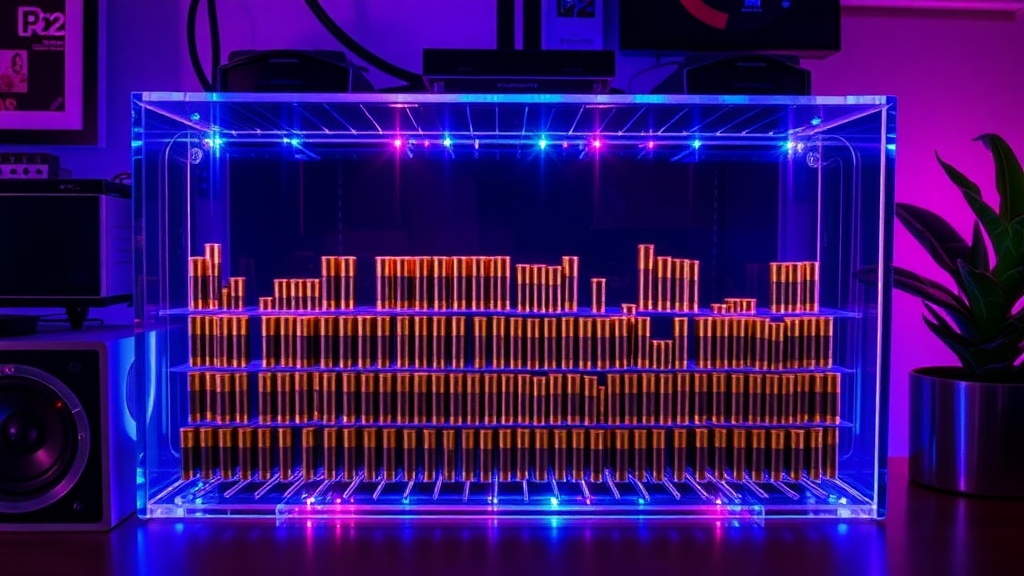
Beyond the Shelf: Building a Custom Acrylic Display Ecosystem for Loose Cartridges

You will learn how to design, select, and implement a professional-grade acrylic display system that protects loose cartridges from UV damage, dust accumulation, and physical degradation.
A loose cartridge is a vulnerable asset. Unlike sealed games, which are protected by a factory-sealed layer of plastic, a loose cartridge is exposed to the atmosphere. Oxidation on the PCB contacts, dust buildup in the cartridge seams, and UV-induced discoloration of the plastic shells are the primary enemies of a high-value collection. A standard bookshelf or a cheap plastic bin is insufficient for a collection treated as an investment. To preserve the aesthetic and structural integrity of your media, you must move toward a custom acrylic ecosystem.
The Material Science: Acrylic vs. Polycarbonate vs. Glass
Before purchasing a single unit, you must understand the chemical properties of your housing. Most "budget" display cases found on mass-market retail sites are made of thin, low-grade polystyrene or cheap polycarbonate. While polycarbonate is impact-resistant, it is prone to scratching and can off-gas certain chemicals if not properly ventilated. Acrylic (Polymethyl Methacrylate), however, is the industry standard for museum-grade displays due to its superior clarity and UV resistance.
When selecting your display, prioritize high-grade cast acrylic over extruded acrylic. Cast acrylic is denser, more scratch-resistant, and offers much higher optical clarity. If you are displaying high-value items like a mint condition Chrono Trigger for the SNES, the refractive index of cast acrylic will ensure the colors remain vibrant without the "milky" haze often seen in cheaper alternatives. Furthermore, ensure your acrylic has a UV-inhibitor coating. Unprotected plastic is susceptible to photo-oxidation, which can lead to the same yellowing issues seen in retro console shells. If you haven't already mastered the art of shell restoration, you might find de-yellowing your collection a necessary step before placing items behind a display.
Tier 1: Individual Protection via Precision Acrylic Cases
The first layer of your ecosystem should be individual housing. For loose cartridges, this means moving away from generic "trading card" holders and toward precision-fit acrylic cases. A standard NES or SNES cartridge has specific dimensions that require a snug, yet non-constricting, fit.
- The Fitment Test: A case that is too tight can exert pressure on the cartridge's PCB, potentially causing the board to bow over time. A case that is too loose allows air circulation, which brings dust and moisture.
- The Seal Factor: Look for cases with "friction-fit" lids. These provide a semi-airtight environment that prevents dust from settling into the cartridge's cartridge seam or the gold-plated pins.
- The ESD Consideration: While rare in standard acrylic, ensure your cases are not generating static electricity. High static can attract microscopic dust particles that eventually settle on the cartridge, creating a film that is difficult to clean without abrasive materials.
For smaller media, such as Game Boy or Game Boy Color cartridges, standard acrylic "cubes" are often too large. I recommend seeking out custom-cut acrylic sleeves specifically sized for the 74mm x 35mm footprint of the original handheld era. This minimizes the "floating" effect and prevents the cartridges from rattling, which can lead to micro-scratches on the label surface.
Tier 2: The Modular Display Framework
Once your cartridges are individually encased, you need a structural framework to house them. A professional display ecosystem is modular. You should not be using one giant, monolithic box; instead, you should use a system of interlocking or stackable units. This allows you to expand your collection without having to replace your entire display architecture.
The Verticality Advantage: Utilize tiered acrylic risers. These are essential for depth perception. If you place a row of cartridges flat on a shelf, the ones in the back are lost. A three-tiered acrylic riser allows you to display your Legend of Zelda or Metroid collection in a way that showcases the label art of every single unit.
Lighting Integration: This is where most collectors fail. If you use standard LED strips, ensure they are "Cool White" or "Warm White" and, most importantly, UV-filtered. Cheap LED strips can emit high-frequency light that, over several years, will bleach the pigments in your cartridge labels. If you are displaying a high-value collection, I suggest integrating a dedicated lighting system with a timer. This ensures the collection is illuminated when you are viewing it, but remains in darkness (and safety) for the majority of the day.
Tier 3: Environmental Control and Placement
Your display ecosystem does not exist in a vacuum; it exists in a room with specific humidity and temperature profiles. Even within an acrylic case, a cartridge is subject to the ambient environment. If your display is placed near a window or an HVAC vent, you are inviting disaster.
The Humidity Variable: High humidity is a silent killer. It can lead to the oxidation of the metal pins and, in extreme cases, can accelerate the degradation of internal components. If your display is located in a basement or a room with fluctuating moisture levels, you must consider the placement of silica gel packets. However, do not place them directly inside the cartridge case where they might touch the label; instead, place them in the base of the larger display unit to act as a buffer.
The Temperature Gradient: Avoid placing your display near heat sources like radiators or gaming consoles. Excessive heat can soften the plastic of the cartridge or even affect the integrity of the internal battery if you are displaying games with internal save functions. For those displaying handheld consoles alongside their cartridges, remember that safeguarding your handheld consoles against battery leakage is a vital part of the overall ecosystem management.
Implementing a Professional Inventory System
A true collector treats their display as a curated gallery. This means your acrylic ecosystem should be organized by a logical taxonomy. Do not simply group by "color" or "size." Instead, use a system that reflects the value and historical significance of the items.
- Chronological/Generational: Grouping by console generation (e.g., 8-bit, 16-bit, 32-bit) creates a visual timeline of gaming history.
- Publisher/Developer: Grouping by Nintendo, Capcom, or Konami provides a cohesive aesthetic, as label art styles are often consistent within a company.
- Investment Tier: I recommend a "High-Value Tier" for your most precious items. These should be in the highest quality, thickest-walled cast acrylic cases, positioned at eye level and under the most controlled lighting.
To maintain this ecosystem, perform a quarterly "Audit and Clean." Use a specialized anti-static brush to remove any surface dust from the exterior of the acrylic. Never use window cleaners like Windex on your display; the ammonia can cloud and craze the acrylic surface. Instead, use a dedicated acrylic cleaner or a simple mixture of distilled water and a drop of mild dish soap, applied with a microfiber cloth.
Final Checklist for Your Build
Before you commit to a large-scale purchase, run your plan through this technical checklist:
- Is the acrylic "Cast" or "Extruded"? (Always aim for Cast).
- Is the lighting UV-filtered and temperature-controlled?
- Do the individual cases provide a friction-fit without pressure?
- Is the display located away from direct sunlight and HVAC vents?
- Have you accounted for future expansion in your modular design?
Building a custom display is an investment in the longevity of your collection. By treating your loose cartridges as the museum-grade artifacts they are, you ensure that their physical condition remains as pristine as the day they left the factory. A well-built acrylic ecosystem is not just a shelf; it is a preservation system.